PP Recycling vs Other Plastic Recycling Methods


Polypropylene (PP) is one of the very most versatile and popular thermoplastics globally. From food presentation to automotive pieces, this substance is ubiquitous. Nevertheless, its popular use generates an important waste administration problem polypropylene (PP).Shifting the target from disposal to recycling provides a proper benefit for forward-thinking enterprises and local municipalities.
Below, we handle the most pushing questions regarding Polypropylene recycling and their tangible affect commerce and community health.
Why is Polypropylene a critical material for recycling?
Polypropylene is frequently defined as resin identification rule #5. It is prized for the heat opposition, durability, and chemical resistance. Nevertheless, since it's therefore durable, it persists in landfills for centuries or even handled correctly.
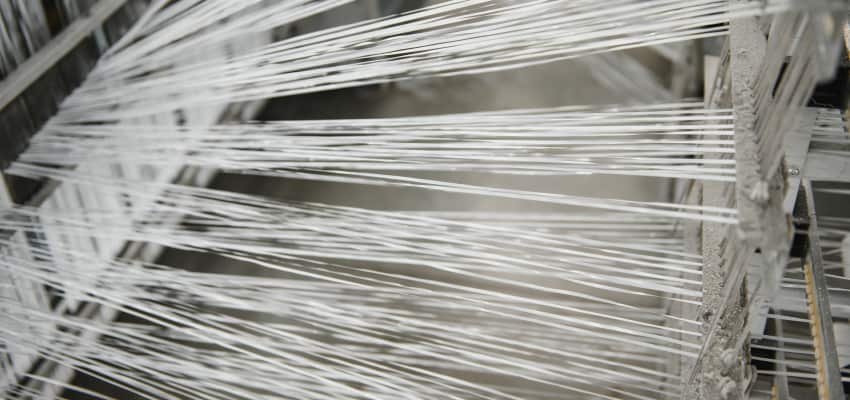
Recycling PP is not only about waste reduction; it is all about resource recovery. By reclaiming that material, industries can minimize their reliance on virgin fossil fuels. The method transforms extracted plastic into top quality pellets that can be reintroduced into the production period, closing the hook on production.
What are the economic benefits for businesses?
Utilizing a strong PP recycling strategy is increasingly considered as a good financial shift instead than simply a conformity requirement.
Reduced Organic Product Expenses: Recycled Polypropylene (rPP) is usually more affordable than virgin resin. Companies using rPP may somewhat decrease their manufacturing prices without reducing on quality for many applications.
waste Removal Savings: Landfill costs and waste hauling costs are increasing globally. By diverting PP waste into recycling channels, organizations may significantly reduce their working expenses linked to waste management.
Industry Need: Modern consumers and B2B clients choose sustainable brands. Organizations that will show a responsibility to applying recycled material frequently see increased brand loyalty and aggressive differentiation.
How does PP recycling impact local communities?
The advantages of recycling expand far beyond the factory floor. Towns that prioritize recycling infrastructure see measurable changes in public areas health and environmental quality.
Landfill Diversion: Diverting PP from landfills stretches the lifetime of local waste disposal sites, delaying the necessity for new, often controversial, landfill projects.
Work Development: The recycling business is labor-intensive in comparison to waste disposal. Selection, sorting, and running services develop local natural jobs, contributing to an effective local economy.
Lower Carbon Footprint: Manufacturing products from recycled plastic needs considerably less energy than providing them from natural petroleum. This lowering of energy use correlates directly with decrease greenhouse gasoline emissions, resulting in solution air for regional residents.

Is the demand for recycled PP growing?
Absolutely. The global industry for recycled Polypropylene is increasing rapidly. Significant sectors, like the automotive and consumer goods industries, have set formidable objectives for recycled material usage. That spike in demand guarantees that recycled PP remains a valuable commodity, giving stability for the recycling industry and encouraging further investment in collection and processing technologies.
The Future of Sustainable Manufacturing
The change to a circular economy relies seriously on components like Polypropylene. By recognizing the natural value in plastic waste, companies can change a disposal charge in to a revenue supply while simultaneously fostering healthiest, more sustainable communities. The data is apparent: investing in PP recycling is an expense in a resistant and profitable future.